Product design in digital services is often misunderstood. People think it's about making things look pretty. But real product design is about making things work in a way that feels right to the people using them.
What product design actually is
Product design is the process of deciding what a product does, how it works, and how it makes people's lives easier. It's not just visual design. It's the entire experience from the first moment someone encounters your product to the moment they achieve what they came for.
Good product design ensures the product isn't just technically functional, but also feels exactly like what marketing promises. If your homepage says "easiest tool on the market," the product better feel easy from the first click.
It starts with understanding the problem
Before you design anything, you need to understand what problem you're solving and for whom. This isn't about guessing. It's about talking to real people, watching them work, and understanding what they actually need.
Too many products are built based on assumptions. The team thinks they know what customers want, but they've never actually asked. Or worse, they've asked, but customers said what they thought the team wanted to hear, not what they actually need.
Real product design starts with real understanding. What's the actual problem? Who has it? What happens if it's not solved? What would solving it look like?
Then you design the solution
Once you understand the problem, you design a solution. But here's the thing: the solution isn't just the features. It's how those features work together. It's the flow from one action to the next. It's the words you use. It's what happens when something goes wrong.
Every detail matters. The button label. The error message. The empty state. The loading animation. All of these are product design decisions that either help people succeed or make them confused.
It's about the experience, not just the interface
Product design in digital services is about the entire experience. It's not just the screens. It's how people discover your product. It's how they sign up. It's how they learn to use it. It's how they get help when they're stuck.
If your onboarding is confusing, that's a product design problem. If your error messages don't help people fix things, that's a product design problem. If people can't figure out how to do the main thing your product does, that's definitely a product design problem.
It connects to positioning
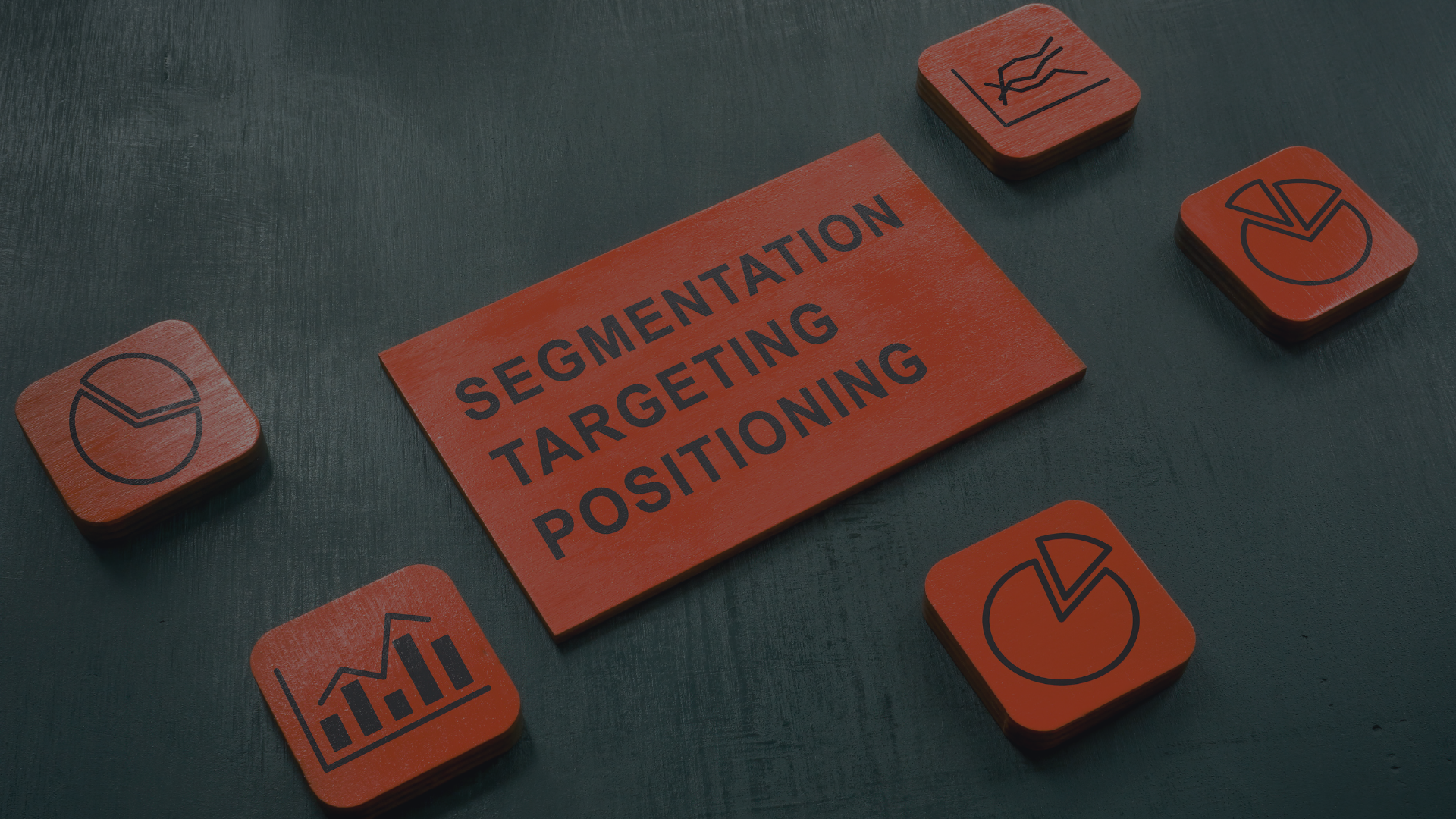
Good product design doesn't happen in isolation. It connects directly to your positioning. If you position yourself as "the easiest option," your product design must make everything feel easy. If you position yourself as "for professionals," your product design must feel professional.
When positioning and product design align, customers get what they expect. When they don't align, customers feel confused or misled. They might even feel like you lied to them.
How to think about product design
Start with the outcome you want people to achieve. Then work backwards. What's the simplest path to that outcome? What information do they need? What actions do they need to take? What could go wrong, and how do you prevent it or help them recover?
Test your assumptions. Build prototypes. Show them to real people. Watch what happens. Listen to what they say. Then iterate based on what you learn.
Product design isn't a one-time thing. It's continuous. You build, you test, you learn, you improve. The best products are always getting better because the teams behind them are always learning from how people actually use them.